
Chief Technical and Higher Education Officer
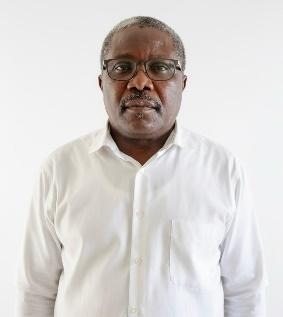
Dr. Josephus Jeremiah Brimah is the current Chief Technical and Higher Education Officer (Professional Head) of the Ministry of Technical and Higher Education, a position he assumed in 2019 after the ministry had come into existence in 2018, and charged with the sacred responsibility of providing overall policy and supervisory direction to all institutions within its mandates nationwide. In this current capacity he, in concert with other relevant Directors and Partners, provides direction in matters of technical and higher education that aligns with both national and international developmental aspirations for the good of all persons.
Prior to the assumption of this office, Josephus J. Brimah served as lecturer at Fourah Bay College (University of Sierra Leone) before proceeding to the University of Manchester (UK) where he obtained a Doctor of Philosophy (Ph. D) with specialization in Applied Ethics (Bioethics/Medical Ethics and related areas of competencies).
He later pursued further studies in law at the University of Sheffield (UK), and upon completion returned to Sierra Leone, joined the teaching staff at Njala University where he lectured courses at both undergraduate and postgraduate levels. Some of these courses include Education, Public Administration, Public Health and Law. He is the author of a couple of books, and several academic articles in International Peer-reviewed Journals. He has successfully supervised over fifty postgraduate students in some of the aforementioned disciplines and continues to offer his services to Njala University pro-bono.
Outside his official assignments, he is strongly interested in the pursuit of stoic philosophy, classical music, his faith as a Catholic Christian, and charitable works.
He currently serves as the national president of his alma mater- Saint Edward’s
Secondary School.
Ag. Deputy Chief Technical and Higher Education Officer
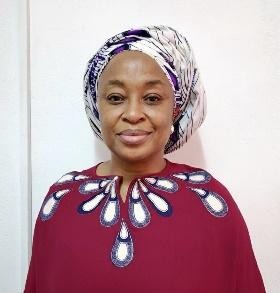
Sia Fasuluku is a prominent figure in Sierra Leone’s education sector, and she currently serves as the Acting Deputy Chief Technical and Higher Education Officer at the Ministry of Technical and Higher Education (MTHE).
She has been instrumental in organizing and leading initiatives to improve technical, vocational, and higher education in the country, contributing as a core member of the team that developed the Education Sector Plan for 2022–2026.
She led the development of the Teacher Licensure Science Curriculum Project and the Teacher Licensure Examination, and she was a Co-Team Lead for the development of the Education Management Information System Policy.
As a vocal advocate for transforming Sierra Leone’s education system through inclusive policies and data-driven approaches, she is involved in key initiatives to drive national development through skills and research, often representing the Ministry at significant events both in and out of Sierra Leone.
She sits on several committees as the Ministry’s focal point and she is known to always bring cutting edge ideas to the table.
Directorates/ Units
Directorate of Higher Education
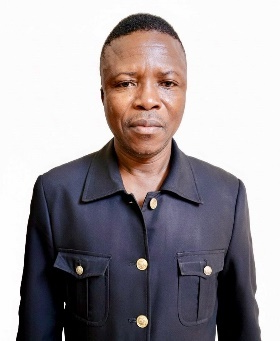
Emmanuel J. Momoh, Director- Higher Education
The Directorate of Higher Education is responsible for guiding, supervising, and regulating all tertiary institutions in Sierra Leone. Its mandate extends beyond simple administrative oversight; it plays a strategic role in shaping the direction and development of higher education across the country. The Directorate is tasked with translating national educational policies into actionable plans, ensuring that universities, colleges, and other post-secondary institutions operate in alignment with government priorities and legal frameworks.
A key function of the Directorate is to maintain and enforce quality assurance standards. This involves monitoring academic programs, evaluating institutional performance, and supporting continuous improvement in teaching, research, and administrative practices. By doing so, it helps safeguard the integrity and credibility of qualifications awarded within the nation’s higher-education system.
In addition, the Directorate facilitates coordination and collaboration across institutions, promoting coherence within the sector. This includes harmonizing curricula where necessary, guiding institutions in the accreditation process, and fostering partnerships that contribute to national development goals. Through its regulatory, supervisory, and advisory roles, the Directorate of Higher Education ensures that Sierra Leone’s tertiary institutions remain responsive, accountable, and aligned with the evolving needs of students, employers, and society as a whole.
Directorate of Technical and Vocational Education and Training (TVET)

Abdul A.B. Senesie, Director- Technical & Vocational Education & Training (TVET)
The TVET Directorate plays a central role in overseeing and strengthening the country’s technical and vocational education and training system. Its primary responsibility is to ensure that all TVET programs meet high standards of quality, relevance, and effectiveness. This includes developing and enforcing training guidelines, supporting curriculum updates, and promoting modern teaching and assessment methods across institutions. By maintaining strong quality assurance mechanisms, the Directorate helps guarantee that learners acquire practical, industry-ready skills.
In addition to quality oversight, the Directorate works to expand access to TVET opportunities nationwide. This involves increasing the number and capacity of training institutions, improving infrastructure, and promoting flexible learning pathways that cater to diverse groups, including youth, women, and marginalized communities. By widening participation, the Directorate helps build a skilled workforce that supports national development priorities.
A key aspect of its mandate is ensuring that skills programs remain aligned with labor-market demands. The Directorate regularly consults with employers, conducts skills-needs assessments, and updates programs to match emerging economic trends. It also promotes the value of TVET by raising awareness of its importance for employment and entrepreneurship.
Furthermore, the Directorate coordinates partnerships with industry, development partners, and international stakeholders to foster collaboration, resource mobilization, and global best-practice sharing.
Directorate of Research, Planning and Development

Idrissa Sannoh, Ag. Director- Research, Planning & Development
The Directorate of Research, Planning, and Development plays a central role in shaping the Ministry’s long-term vision and ensuring that its programs remain effective, responsive, and grounded in reliable data. Serving as the Ministry’s analytical backbone, the Directorate guides decision-making by generating and synthesizing research, evaluating existing policies, and formulating new strategies aligned with national priorities. Through rigorous data collection and analysis, it identifies emerging trends, assesses the impact of ongoing initiatives, and highlights areas that require improvement or innovation.
Beyond policy and research, the Directorate also supports the planning and coordination of development projects aimed at strengthening the education sector. This includes overseeing institutional enhancement efforts across universities and technical institutions, ensuring that these entities have the capacity, infrastructure, and academic frameworks necessary to meet evolving educational and labor market demands. By fostering collaboration, promoting best practices, and encouraging the adoption of modern planning tools, the Directorate helps institutions enhance their governance, operational efficiency, and overall performance.
Ultimately, the Directorate of Research, Planning, and Development ensures that the Ministry’s work is proactive, strategic, and future-oriented. Its contributions enable the education system to adapt to new challenges, improve quality, and deliver outcomes that support national growth and societal advancement.
Directorate of Monitoring and Evaluation

Christiana Samu, Director- Monitoring & Evaluation
The Directorate of Monitoring and Evaluation plays a crucial role in ensuring that education programs and policies are implemented effectively and achieve their intended outcomes. By systematically tracking and assessing various initiatives, the directorate helps identify whether educational goals are being met and highlights areas that require improvement. Its work begins with the collection of accurate and timely data from tertiary institutions, districts, and other education stakeholders. This data is then carefully analyzed to uncover trends, measure performance, and evaluate the overall impact of programs.
Beyond data collection, the directorate produces comprehensive reports that summarize findings, provide insights, and highlight both successes and challenges. These reports serve as a valuable resource for policymakers, education managers, and other stakeholders who rely on evidence-based information to make informed decisions. By providing clear and reliable evidence, the directorate promotes transparency, accountability, and effective governance within the education sector.
Moreover, the insights generated by the Directorate of Monitoring and Evaluation inform the design and adjustment of policies, ensuring that interventions are responsive to the needs of learners and communities. In this way, the directorate not only tracks progress but also actively contributes to the continuous improvement of education systems, ultimately supporting the achievement of national educational objectives and fostering better learning outcomes for all students.
Directorate of Science Education

Fatmata Kaiwa, Director- Science Education
The Directorate of Science Education plays a pivotal role in shaping the future of education in Sierra Leone by leading the development, implementation, and continuous improvement of science curricula and programs. Its primary focus is to advance STEAM education, encompassing Science, Technology, Engineering, Agriculture, and Mathematics, across all levels of learning. By designing curricula that are both comprehensive and relevant to the nation’s developmental needs, the Directorate ensures that students acquire critical thinking, problem-solving, and practical skills essential for personal growth and national progress.
Beyond curriculum development, the Directorate actively works to enhance the quality and accessibility of science education throughout the country. It provides policy guidance to tertiary institutions and educational authorities, ensuring that teaching practices are aligned with modern educational standards and best practices. Additionally, it collaborates closely with educational stakeholders to foster a culture of innovation, inquiry, and scientific literacy among students.
Through these efforts, the Directorate not only strengthens the knowledge base of learners but also prepares them to contribute meaningfully to Sierra Leone’s scientific, technological, and economic development. By bridging gaps in education and promoting inclusivity, it plays an essential role in empowering the next generation of scientists, engineers, and innovators.
Directorate of Technology and Innovations

Henry Smart, Ag. Director of Technology and Innovation
The Directorate of Technology and Innovation plays a pivotal role in advancing the integration of cutting-edge technologies within both technical and higher education sectors. Its primary mission is to drive the adoption of innovative tools and solutions that enhance the quality of education and strengthen institutional capabilities. By fostering strategic collaboration among educational institutions, industry partners, and government agencies, the directorate creates an ecosystem that encourages knowledge sharing, research partnerships, and practical applications of emerging technologies. This collaborative approach not only promotes innovation but also boosts productivity, efficiency, and competitiveness across the educational landscape.
In addition to facilitating partnerships, the directorate is responsible for developing and implementing policies and programs that support the seamless integration of modern technologies into teaching, learning, and institutional operations. This includes initiatives that introduce advanced digital platforms, artificial intelligence, data analytics, and other emerging technologies into curricula and administrative processes. By guiding institutions in adopting these innovations, the directorate ensures that students are equipped with relevant skills and that institutions remain at the forefront of technological advancement. Ultimately, the Directorate of Technology and Innovations serves as a catalyst for transforming education, fostering a culture of continuous improvement, and preparing learners and institutions alike to thrive in a rapidly evolving, technology-driven world.
Human Resource Unit

Rebecca Saffa, Director- Human Resource
The Human Resource Unit plays a central role in ensuring that the ministry operates with a competent, motivated, and well-supported workforce. It is responsible for managing the full spectrum of human resource functions, including recruitment, training, and professional development. By carefully selecting qualified personnel and providing ongoing training opportunities, the unit ensures that staff are equipped with the knowledge and skills necessary to achieve the ministry’s educational and administrative goals.
Beyond recruitment and development, the Human Resource Unit oversees employee welfare, ensuring that working conditions, benefits, and support systems contribute to a positive and productive work environment. It also manages performance appraisal processes, fostering accountability and providing constructive feedback to encourage continuous improvement. Additionally, the unit ensures strict compliance with labor laws, policies, and regulations, safeguarding both the ministry and its employees.
The unit also provides expert advice on organizational structure, staffing requirements, and workforce planning. By analyzing current and future personnel needs, it helps the ministry align human resources with strategic objectives, ensuring that departments are adequately staffed and capable of delivering high-quality services. Overall, the Human Resource Unit is pivotal in creating a professional, efficient, and motivated workforce that underpins the ministry’s success.
Accounts Unit

Salieu Sesay, Accountant
The Account Unit plays a critical role in supporting the Vote Controller in the overall financial management of the Ministry. Its primary responsibility is to ensure that all financial operations are conducted in a manner that promotes efficiency, accountability, and transparency.
The Account Unit is also responsible for implementing and maintaining robust internal control systems. These controls safeguard public resources, mitigate financial risks, and ensure compliance with relevant financial regulations and policies. The unit also plays a key role in the timely and accurate preparation of financial reports, which provide critical information for decision-making, performance evaluation, and accountability to stakeholders.
Through these functions, the Account Unit not only supports the Vote Controller in managing financial resources effectively but also contributes to the overall fiscal discipline and operational integrity of the agency, reinforcing public trust in the management of government funds.
ICT Unit

Edward Sannoh, Asst. Director, ICT Unit
The ICT Unit plays a central role in ensuring that the Ministry’s digital ecosystem operates securely, efficiently, and in alignment with its strategic objectives. It oversees the development, maintenance, and continuous improvement of digital infrastructure, including hardware, networks, and essential software systems. By implementing robust cybersecurity measures, the unit protects sensitive information, mitigates risks, and ensures compliance with national and organizational standards.
Beyond infrastructure management, the ICT Unit provides comprehensive technical support to staff across the Ministry. This includes troubleshooting system issues, offering guidance on the effective use of digital tools, and ensuring that all technology resources remain functional and up to date. Through timely support and proactive system monitoring, the unit helps maintain smooth day-to-day operations.
A key mandate of the ICT Unit is to drive digital innovation. It actively identifies opportunities to introduce new technologies, streamline processes, and improve service delivery. By collaborating with internal departments and external partners, the unit fosters a culture of digital transformation that enhances efficiency, transparency, and accessibility.
Overall, the ICT Unit serves as both a guardian of technological stability and a catalyst for progress, ensuring that digital capabilities evolve in step with the Ministry’s mission and long-term vision.
Budget Unit

Laima A.K. Dumbuya, Senior Budget Officer
The Budget Unit provides essential technical support and strategic guidance to the Ministry in developing Medium-Term Expenditure Framework (MTEF) budgets in alignment with established legislative and policy mandates. This involves coordinating with various departments to gather the necessary information, ensuring that all budget submissions reflect national priorities, sector strategies, and available fiscal resources. The unit carefully reviews and analyzes budget requests, assessing their relevance, accuracy, and compliance with financial regulations and expenditure ceilings. Based on these assessments, it offers professional advice to support informed decision-making and prepares recommendations for the approval of proposed allocations.
In addition to its role in budget formulation, the Budget Unit is responsible for ongoing budget monitoring throughout the financial cycle. This includes comparing actual expenditures with approved budgeted amounts to identify any variances that may require management attention. The unit compiles detailed variance reports, highlighting trends, deviations, and potential risks to budget execution. These reports support transparency, accountability, and proactive financial management.
By providing timely analysis and feedback, the Budget Unit helps ensure that resources are used efficiently and that corrective actions can be taken where necessary. Overall, the unit plays a critical role in strengthening financial governance, supporting sound fiscal planning, and enhancing the Ministry’s ability to achieve its strategic objectives.
Information Unit

Sahr Sewa, Senior Information Officer
The Information Unit is tasked with collecting, managing, and disseminating accurate and comprehensive data on technical and higher education policies, programs, and institutions. Its core mandate includes gathering relevant information from a variety of sources, verifying its accuracy, and organizing it in a manner that supports effective planning, decision-making, and policy development across the education sector.
In addition to managing data, the Unit produces timely analytical reports, briefs, and updates that highlight key trends, challenges, and opportunities within technical and higher education. These outputs are designed to support stakeholders such as government agencies, educational institutions, researchers, and development partners in understanding the current landscape and making informed decisions.
A significant part of the Unit’s role is to promote public awareness and transparency. It ensures that essential information, such as institutional performance, program offerings, policy changes, and sectoral developments, is accessible and understandable to students, educators, parents, and the wider public.
By maintaining open channels of communication and leveraging digital platforms, the Information Unit helps create an informed community that can actively engage with the education system. Ultimately, its work contributes to greater accountability, improved service delivery, and enhanced trust in the governance of technical and higher education.
Procurement Unit

Gabriel P. George, Senior Procurement Officer
The Procurement Unit is responsible for managing the acquisition of goods, works, and services essential to supporting the ministry’s operations in an efficient, transparent, and timely manner. Its role extends beyond simply purchasing items; it encompasses the planning, coordination, and execution of all procurement activities to ensure that departmental needs are met in a cost-effective and strategic way.
A core function of the unit is to guarantee that every procurement process aligns with established legal and regulatory frameworks. By doing so, it promotes fairness, accountability, and integrity in all transactions, helping to build trust among stakeholders and safeguard public resources. The unit consistently applies standardized procedures, conducts due diligence, and ensures that bidding and selection processes are competitive and unbiased.
Additionally, the Procurement Unit continually seeks to maximize value for money by evaluating market conditions, negotiating favorable terms, and selecting suppliers who offer the best balance of quality, cost, and reliability. It monitors contract performance to confirm that suppliers deliver as agreed and that purchased goods and services meet required specifications.
Through these responsibilities, the Procurement Unit contributes significantly to the ministry’s overall efficiency, enabling it to achieve its goals while upholding principles of transparency, accountability, and sound financial management.
Internal Audit Unit
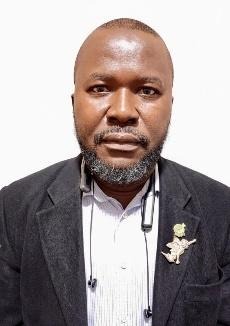
Saffa L. Sandy, Asst. Director- Internal Audit
The Internal Audit Unit plays a critical role in strengthening the Ministry’s overall governance framework by systematically evaluating and enhancing the effectiveness of its risk management, control, and oversight processes. Through comprehensive audits and reviews, the unit assesses whether financial and operational activities are conducted in full compliance with applicable laws, regulations, and internal policies. This oversight helps safeguard public resources, promotes ethical conduct, and reinforces a culture of accountability and transparency across all departments.
In carrying out its mandate, the unit provides objective and independent assessments that highlight strengths, identify gaps, and pinpoint areas where improvements are necessary. Its work goes beyond simply detecting issues; it offers practical, actionable recommendations designed to improve internal controls, streamline procedures, and mitigate potential risks. By presenting clear insights grounded in evidence, the Internal Audit Unit supports leadership in making informed decisions that enhance operational efficiency and program effectiveness.
Ultimately, the Internal Audit Unit contributes to better governance by ensuring that systems, processes, and practices within the Ministry operate as intended and deliver value to stakeholders. Its ongoing advisory role also encourages continuous improvement, helping the Ministry adapt to emerging risks and maintain high standards of performance and stewardship.